How Sexual Pleasure Works: The Science Behind Desire, Brain, and Emotions

Sexual pleasure is often described as a physical sensation, but science tells a much richer story. Rather than coming from a single source, pleasure arises from an intricate interaction between the brain, the nervous system, hormones, emotions, psychological context, and even social connection.
At Luna Secret, we see sexual pleasure not as something shallow or taboo, but as a natural and meaningful part of overall wellbeing. Understanding what pleasure is made of helps us move beyond performance or expectation — and toward self-awareness, comfort, and balance.
The Brain: Where Pleasure Truly Begins
Although sexual stimulation may begin in the body, pleasure itself is created in the brain. Research using neuroimaging shows that sexual experiences activate key regions involved in reward, motivation, emotion, and meaning — many of the same systems that respond to social bonding or other pleasurable experiences.
Importantly, the brain does not simply receive physical signals. It interprets them, amplifies them, and weaves them together with memory, emotion, and context. This is why mood, emotional safety, and mental presence can dramatically shape how pleasure feels.
From a neuroscientific perspective, pleasure does not start at the moment of touch. In many cases, the brain becomes involved well before physical contact occurs.
Visual cues, anticipation, self-perception, and imagination can all activate the brain’s reward system, increasing dopamine release and heightening a sense of expectation. This is why entering the right mental and emotional state often plays a critical role in how pleasure is experienced.
For example, intimate lingerie can act as a powerful cognitive and emotional cue. Luna Secret’s sensual lingerie pieces — such as Dahlia Lace & Chain Lingerie Set, Noir Petal Lace Sleep Set, or Veloura Lace Slit Chemise Set — are not simply aesthetic garments. Through form-fitting materials, intentional exposure, and refined detailing, they help shift self-awareness and invite the brain to associate the moment with intimacy, desire, and presence.
This experience is not about performing for someone else, but about internal perception. When the brain begins to connect one’s current state with feelings of being desired, confident, or sensually engaged, the body is more likely to relax and respond naturally. In this sense, lingerie becomes a psychological gateway — linking emotion, identity, and physical sensation before touch even begins.
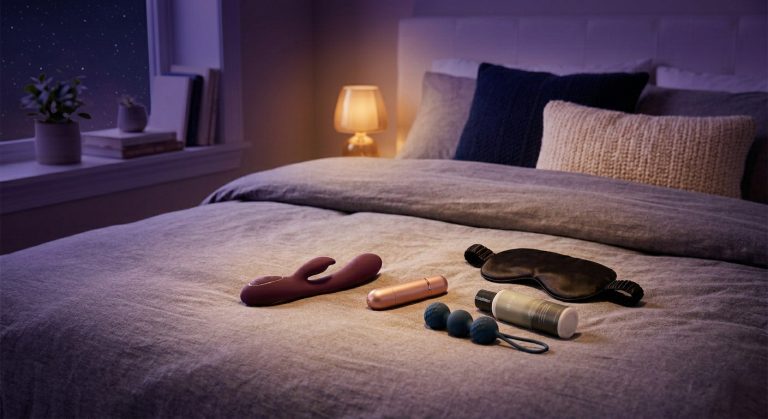
For many people, creating a calm, focused sensory environment — free from pressure or distraction — can make a meaningful difference. Gentle, awareness-based stimulation tools, such as Pretty Love Mini Bullet Vibrator or Pretty Love Joyce Bullet Egg Vibrator, help by providing steady, predictable sensations. This consistency allows the nervous system to relax, making it easier for the brain to notice and interpret pleasurable signals without tension or overstimulation.
Studies also show that the neural pathways involved in sexual arousal overlap with broader reward circuits in the brain. In other words, pleasure is not isolated — it is deeply connected to how we experience joy, comfort, and connection in daily life.
Neurochemicals and Hormones: The Chemistry of Pleasure
Sexual pleasure is strongly influenced by a complex release of neurochemicals and hormones, each playing a distinct role:
- Dopamine supports desire, anticipation, and reward
- Oxytocin, often associated with bonding, enhances feelings of trust and emotional closeness
- Endorphins and endogenous opioids contribute to relaxation, euphoria, and the intense pleasure often associated with orgasm
- Serotonin helps regulate mood and the sense of satisfaction that follows pleasure
- Sex hormones, such as estrogen and testosterone, influence libido, sensitivity, and responsiveness
Pleasurable stimulation — whether experienced alone or with a partner — can naturally activate these systems. For example, Pretty Love Otis Suction Vibrator or Pretty Love Magic Bottle Vibrating Sucking Stimulator provide focused, rhythmic stimulation that allows users to explore how different intensities and patterns affect arousal. This helps deepen awareness of personal response cycles and individual pleasure rhythms.
Research suggests that pleasure does not come from a single chemical, but from the balance and interaction between many systems working together. This helps explain why pleasure can vary so widely between individuals — and even within the same person over time.
The Neurobiology of Sexual Response
Sexual pleasure is part of a broader neurobiological process involving the central and peripheral nervous systems, sensory pathways, and the endocrine system. Neurotransmitters such as nitric oxide, norepinephrine, and GABA interact with hormones like estrogen, progesterone, and cortisol to shape arousal, desire, and orgasm.
This integrated system explains an important truth: physical stimulation alone does not guarantee pleasure. The body and brain must work together to create a subjective experience that feels comfortable, meaningful, and enjoyable.
For couples, shared exploration — whether through touch, communication, or Pretty Love Franz App-Control Magnetic Panty Vibrator, which allows remote or shared control — can help synchronise physical sensation with emotional connection. This supports intimacy without placing pressure on performance or outcomes.
Sensory Input and the Context of Touch
Certain areas of the body contain a high concentration of sensory nerve endings, sending signals through the spinal cord to the brain when stimulated. But sensation is only the starting point.
The brain ultimately decides how intense, pleasurable, or neutral a sensation feels. Emotional state, trust, attention, expectations, and past experiences all shape this interpretation. This is why the same touch can feel deeply pleasurable in one context and uncomfortable or insignificant in another.
Exploring different textures, rhythms, and intensities — with the support of products such as Pretty Love Snaky Vibe Dual Vibrator or Pretty Love Carina Dual Motor Memory Rabbit Vibrator — allows individuals to safely learn which sensations feel soothing, engaging, or overwhelming. Over time, this builds clearer body awareness and reduces the likelihood of discomfort or overstimulation.
Pleasure is not just about what happens — it is about how it is received.
Psychological and Emotional Influences
Mental and emotional wellbeing play a central role in sexual pleasure. Feelings of safety, relaxation, emotional connection, and self-acceptance tend to enhance pleasure, while stress, anxiety, pressure, or emotional distance can limit it — even when physical arousal is present.
Contemporary research increasingly frames sexual pleasure as a multidimensional experience. It is not merely physical, but an integration of emotional satisfaction, personal meaning, confidence, and psychological openness.
Practices that support relaxation and emotional comfort — such as slow exploration or gentle stimulation — can be enhanced by quiet, body-friendly designs like the Pretty Love Dwayne Mini Wand Massager. These tools help reduce performance pressure and create a sense of calm that supports more satisfying experiences.
Sexual Pleasure as Part of Wellbeing
From a scientific perspective, sexual pleasure is closely connected to overall wellbeing. It has been linked to:
- emotional regulation and stress relief
- social bonding and intimacy
- body awareness and self-acceptance
- quality of life and emotional balance
When approached with curiosity and compassion, pleasure becomes less about performance and more about listening to the body, respecting personal rhythms, and creating space for comfort and connection.
Whether through solo exploration or shared intimacy, Luna Secret’s carefully curated intimate tools — such as sensory-focused vibrators, app-controlled devices, or gentle massagers — can act as supportive companions in a broader journey toward balance and wellbeing.
Understanding sexual pleasure in this way allows for healthier, more open conversations — with ourselves and with others — about intimacy, balance, and wellbeing.
Further Reading & Research Insights
- Orgasms, Sexual Pleasure, and Opioid Reward Mechanisms — Sexual Medicine Reviews
- The Neurobiology of Sexual Function — JAMA Psychiatry
- How Does Our Brain Generate Sexual Pleasure? — International Journal of Sexual Health
- Sexual Pleasure Matters: A Conceptual Framework — PubMed
Note: This article is intended for educational and wellbeing discussion purposes only and does not replace professional medical advice.